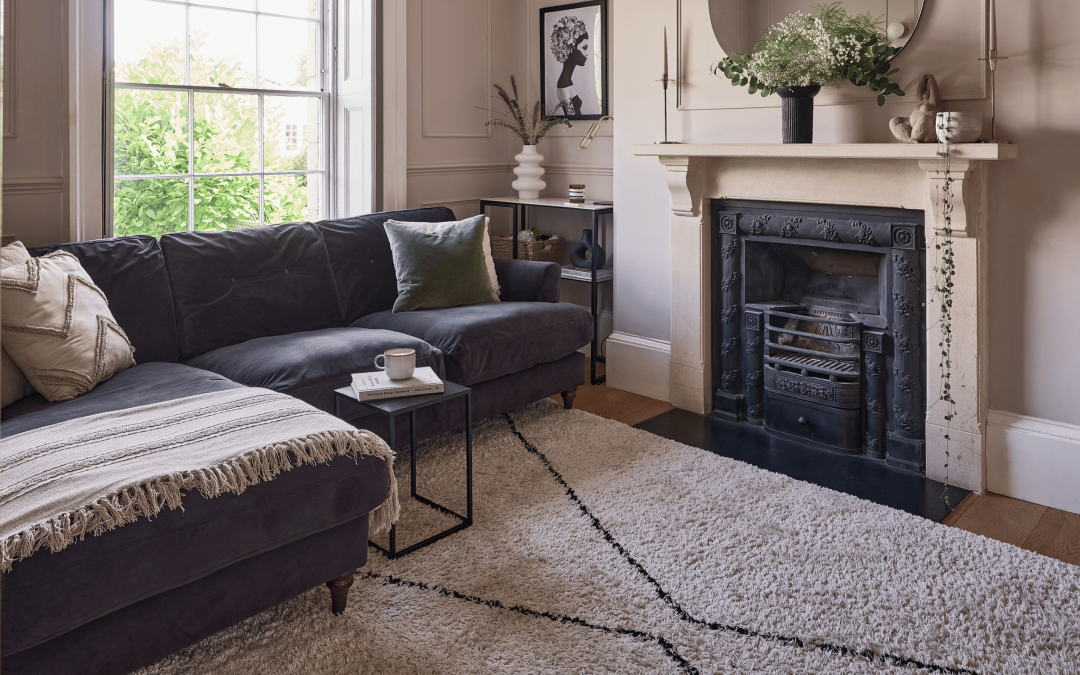
The colour of your home is an important consideration, and it is not just about aesthetics. Colour can have a direct impact on mood, energy, comfort and even the size of rooms.
Modern Australian residences are stepping away from the cold and moving towards the warm and neutral, the earthy and green, the soft and blue, and the natural and comforting tones.
Each of these choices can be changed for good with the right paint, whether you’re looking for a serene retreat, a chic, comfortable lounge, or a cosy family room. This guide is designed to help you with some of the best room colour ideas, popular colour palettes, colour psychology and some tips from experts on painting your home in Australia.
Why Colour Psychology Matters in Living Spaces
Many homeowners don’t realise that paint colours can have an effect on emotions. Warm colours, like terracotta, beige and muted yellow, bring a sense of comfort and sociability. Cooler shades such as sage green and dusty blue promote relaxation and ease eye strain.
That is why professional designers always take into consideration the usage of a room before choosing colours.
- Uses warm colours to create a cosy effect in large rooms.
- Cool shades also make small rooms look bigger.
- The earthy colours provide grounding and comfort:
- Soft neutrals help to prevent eye strain.
- Deep feature walls add sophistication and depth
1. Warm Neutral Living Room Colour Schemes

One of the most classic living room colour schemes in Australia remains warm neutrals. Colours such as grey, creamy white, sand, mushroom or warm taupe will be versatile and fit well in modern, coastal, Hamptons or minimalist decor.
Why They Work
Warm neutrals are a neutral colour that reflects light gently without creating a sterile environment. Contrary to cool grey colours, they give a warm feel and make the room feel comfortable and relaxed.
These tones are best suited for:
- Open-plan homes
- Small lounges
- Family living areas
- Timber floored houses
Popular lounge room paint colours are:
- Warm beige
- Soft greige
- Antique white
- Sandstone
- Mushroom taupe
Ideal shades to create flexible room colour schemes when furniture and décor should stand out naturally.
2. Sage Green Lounge Room Colour Ideas

Due to its calming association with nature, Green has become one of the sought-after lounge room colour ideas. Sage and eucalyptus hues are used more and more in living rooms as they lower stress levels and instil emotional equilibrium.
The reasons Green Feels Relaxing.
The brain has an innate tendency to make a connection between the colour green and safety, wellness and the outdoors. Light greens help to keep spaces fresh and avoid overwhelming.
- Best combinations include:
- Sage green with oak timber
- Olive green, cream decoration
- Eucalyptus colours in white trims.
- Sharp green with linen patterns
The natural lighting in these homes is perfect for these lounge room colour schemes.
3. Blue Living Room Paint for Calm Interiors

Blue is still one of the most soothing colours for interior spaces. Light blue hues can help to diminish mental stimulation, and darker navy or teal hues can add luxury and depth.
Best Uses for Blue
Use the soft blue colours in:
- Coastal homes
- Minimalist interiors
- Scandinavian-style spaces
- Smaller rooms that require an open space.
When applied properly, darker blue living room paint will give a sense of intimacy and elegance.
However, balance matters. An extremely dark blue throughout a whole room can make the room “colder” if the lights are limited.
4. Earthy Terracotta and Clay Tones

Earth-inspired colours are taking the lead in Australian interiors, as they are warm and comforting. Living spaces are grounded and inviting with muted terracotta, clay, caramel and dusty peach tones.
Why is Earthy Tones Trending?
These colours:
- Add heat to contemporary homes
- Great complements to timber and stone
- Look luxurious, but not too flashy!
- Make it comfortable
They are excellent lounge room paint ideas in homes that wish to have a softer, modern feel to their home, rather than white walls.
5. Living Room Feature Wall Colours That Add Depth

One of the simplest ways to improve your living room without painting the entire room is to install feature walls.
Some vibrant living room feature wall colours are:
- Deep olive green
- Charcoal
- Navy blue
- Warm terracotta
- Dusty teal
Why Feature Walls Work
Adding a feature wall will help to create visual structure and anchor furniture positioning. It also allows homeowners to experiment with darker colours without overwhelming the room.
Modern feature wall paint ideas living room ideas are frequently darker colours behind:
- TV units
- Fireplaces
- Sofas
- Shelving areas
A feature wall colour can be an excellent way to transform an ordinary lounge when finished with professionalism.
6. Best Feature Wall Colours for Living Room Spaces
The best colours of the feature wall in the living room spaces are determined by the amount of daylight and room size.
For Small Living Rooms
Choose:
- Muted sage
- Soft navy
- Warm greige
- Dusty blue
For Large Living Rooms
Choose:
- Charcoal
- Forest green
- Deep teal
- Earthy terracotta
Dark feature walls are best paired with lighter surrounding walls and natural textures.
7. Modern Wall Painting Ideas for Living Room Areas
The current wall painting ideas for the interior of the living room incorporate subtle texture and multi-hued tones over anything too vibrant.
Trending ideas include:
- Colour drenching
- Two-tone walls
- Warm matte finishes
- Textured, earthy paints
- Ceiling colour continuation
When walls, trims and ceiling are all a similar colour, it is referred to as colour drenching, which gives a luxurious look.
How Lighting Changes Lounge Room Paint Colours
A light can greatly alter the look of a paint.
North-Facing Rooms. Warm neutrals are great because they take the warm sunlight and accentuate that.
South-Facing Rooms. To prevent coldness, use creamy whites or warmer hues.
Dark Rooms. Heavy, dark colours such as charcoal and dark navy are not recommended unless they are intended for a feature wall.
Bright Rooms. Dark shades can provide balance and sophistication.
Colours are always tested by professional painters under:
- Morning light
- Afternoon light
- Warm artificial lighting
- Cool LED lighting
This will avoid costly repainting errors down the road.
Average Cost to Paint House Interior Australia
The Average cost quotations by House Painters Australia vary depending on:
- Property size
- Wall condition
- Paint quality
- Ceiling height
The number of coats needed to apply.
Generally:
- Single rooms can range in cost from several hundred dollars.
- The interior can start to cost several thousand dollars for full interiors.
- Standalone upgrades, such as feature walls, are normally less costly.
Another question that many homeowners have is, How much do painters charge per room Australia? While prices vary, depending on room size and the necessary preparations, they are typically priced according to the following services:
- Surface preparation
- Priming
- Paint materials
- Labour
- Cleanup
Professional Painting Services in Forest Lake
If you desire a top-notch finish, it is advisable to call in local experts who have experience in doing this.
Services such as Professional living room feature wall painting service Forest Lake that provides high-end results without any irregular edges, streaks or colour inconsistencies.
Additionally, many residents prefer to hire local interior house painters near Forest Lake because they know the Australian lighting conditions better, how the climate affects them, and what interior colours are on-trend.
When you’re looking for the Best residential interior painting services in Forest Lake, having the professionals do the job means your colours will keep you feeling at home, be balanced, and look cohesive.
Final Thoughts on Room Colour Ideas
Ideas for the colours of rooms are best based on psychology and style. The best living room should not just be an impressive space, but also a comfortable, calm and practical one as well.
Warm neutrals provide a flexibility of style and timelessness. Sage greens promote relaxation. Blues convey a sense of relaxed elegance. Earthy Terracotta finishes add warmth and character. In the meantime, designer ideas can be injected into the interior of an ordinary space by carefully planned feature walls.
Whether you’re looking to give your home a new look, Painting By Moli has the tools to choose the right colours for the job and create a flawless, professional finish.
FAQs
What colours make a living room look bigger?
In a living room, neutral colours like warm white, soft beige, pale grey and muted sage green can help to create the illusion of a larger, more open space. Such colours are more natural light reflecting and less heavy in visual sensation, which brings about an airy atmosphere.
Are feature walls a thing of the past?
Yes, feature walls are still very much in vogue, particularly in Australian residences. Today’s living room colours are more earthy shades of green, deep blue, terracotta, matte and textured than bright accent colours.
For living rooms, what is the best paint finish?
Living rooms usually have low-sheen, or matte finishes, as they provide a modern look and help camouflage small imperfections in the walls. Satin finishes are also appropriate for houses that require low maintenance and durability.
How often should the frequency of repainting the interior walls be?
Generally, 5 to 8 years is the time frame for painting most of the interior living spaces, depending on paint quality, sun exposure, moisture exposure and daily usage. Wash areas near the family may need re-touching more often for a fresh look.